Eight albatross species you might spot in the Southern Ocean. Our passengers are typically avid wildlife lovers, and avifauna often holds a truly special place in their hearts. But while many birdwatchers tend to focus on the penguins we encounter, there is a smaller yet equally passionate group that favors these airborne seabirds.
Among these enthusiasts, the albatross is a bird that commands—and deserves—particular reverence. Here, we highlight the defining features of the species you are most likely to encounter on our southern expeditions. Whether you are voyaging to Antarctica, exploring subantarctic islands, or discovering a combination of both, this guide provides all the key insights into albatrosses and points you toward the prime locations to observe them.
See: World Albatross Day is celebrated every year on June 19
Atlantic yellow-nosed albatross
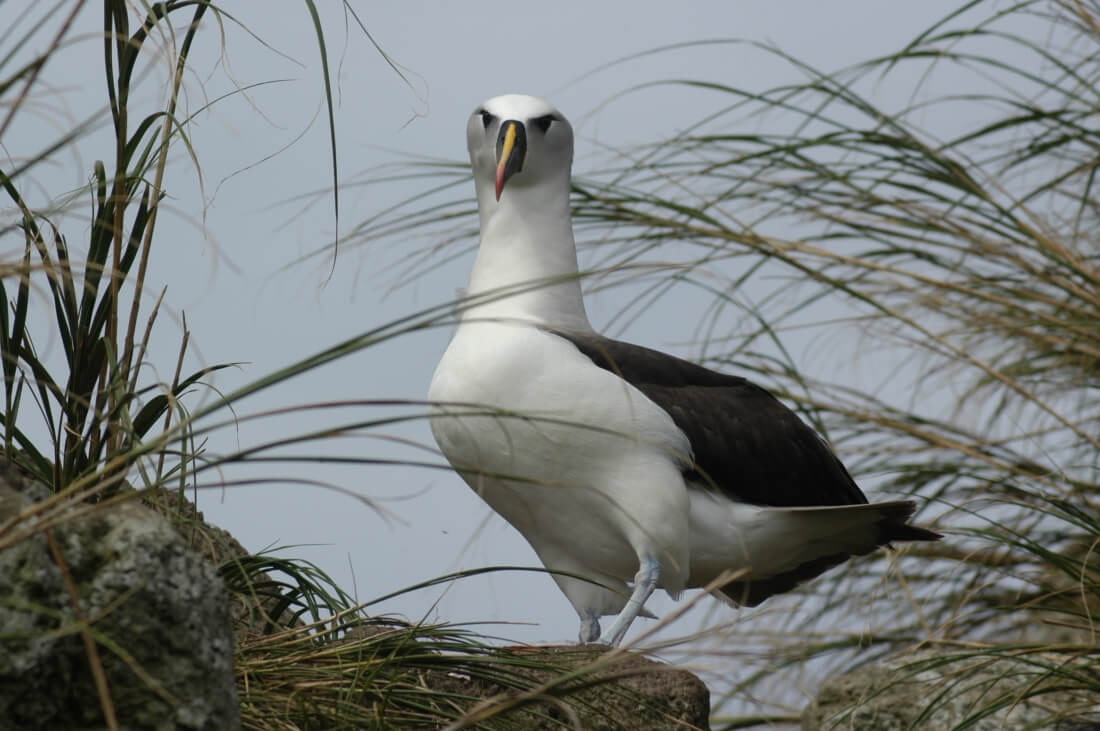
Much like the Tristan albatross, we only encounter Atlantic yellow-nosed albatrosses during our Atlantic crossings en route to and from home ports in Europe. These mollymawks (medium-sized albatrosses) can soar for miles without flapping their wings and are most frequently sighted around the Tristan da Cunha archipelago. They are also known to trail vessels offshore, hoping to scavenge morsels tossed into our wake. Atlantic yellow-nosed albatrosses face few natural predators thanks to their pelagic life at sea.
Tristan albatross
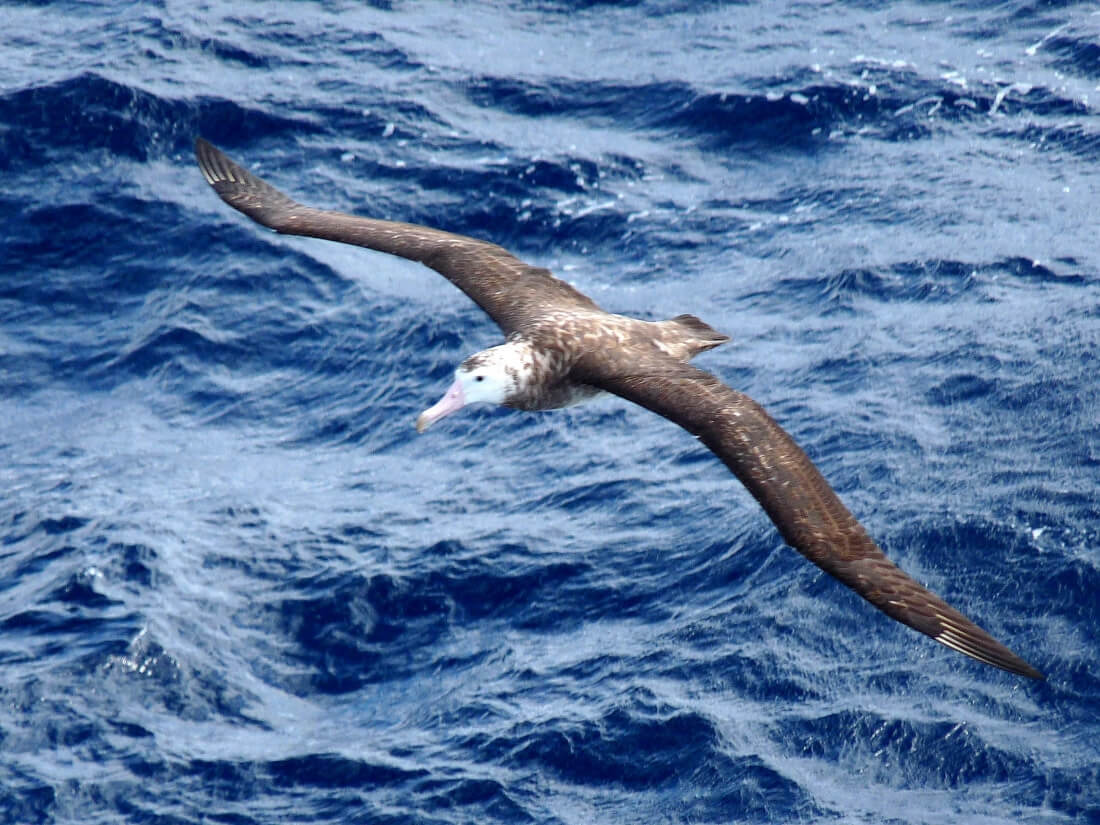
Another seabird we only see during our Atlantic crossing is the Tristan albatross, which can easily be mistaken for the wandering albatross. However, Tristan albatrosses are smaller and boast darker backs. They are endemic to the Tristan da Cunha archipelago—specifically Gough Island, home to the vast majority of the world's Tristan albatross population. It is just one of many extraordinary species that can be observed on voyages dedicated to birdlife.
Black-browed albatross
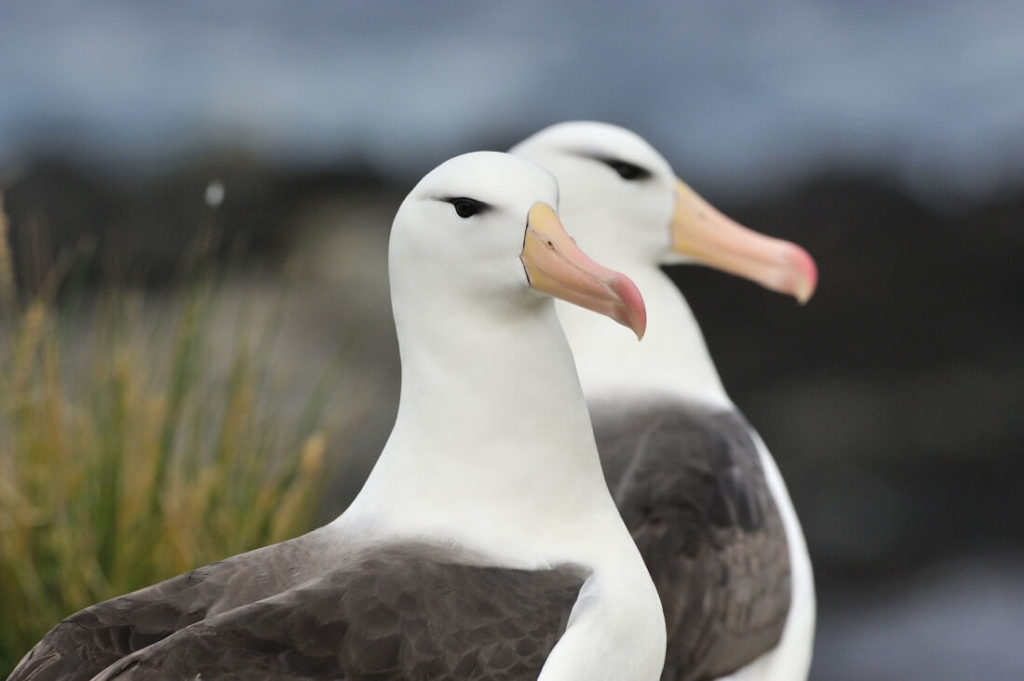
These albatrosses are among the most easily identifiable—fortunate indeed, given the wide range of locations where we encounter them. The Antarctic Peninsula, Ross Sea, Weddell Sea, South Georgia, and our bird-rich voyages to the Falklands all offer fantastic chances to marvel at black-browed albatrosses. These impressive seabirds are masterful flyers, so effortless in the air that their heart rate barely rises above resting levels.
Grey-headed albatross
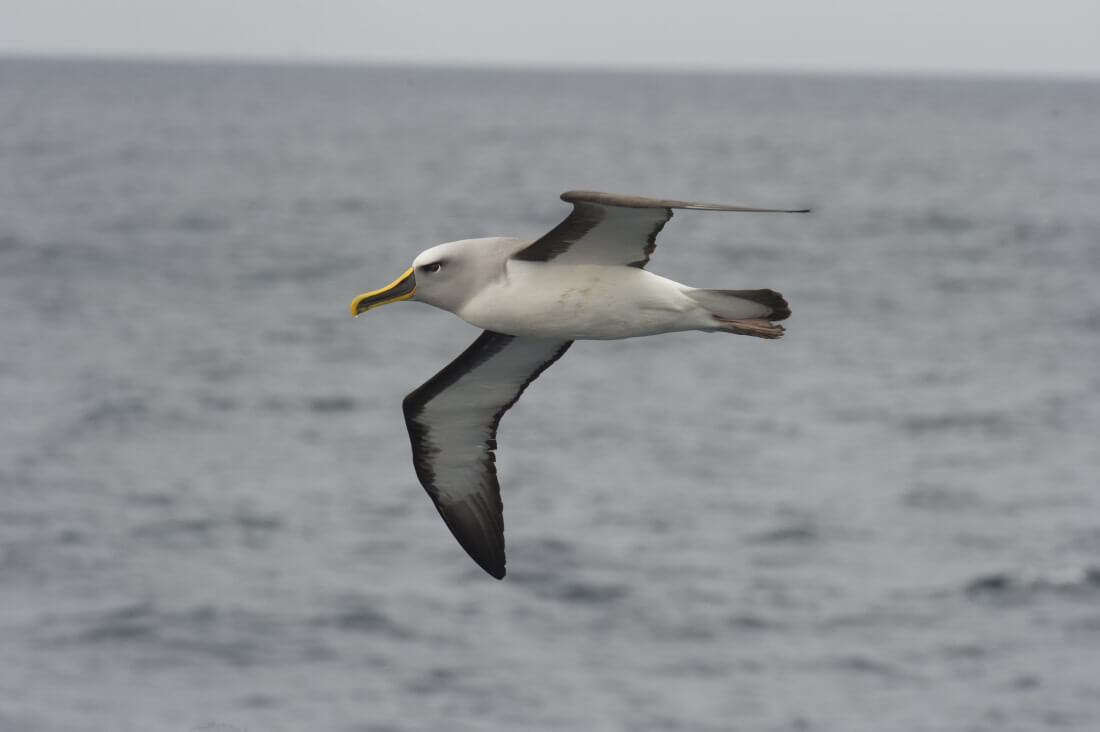
Celebrated as the fastest level-flight bird on Earth, the grey-headed albatross was clocked at speeds nearing 130 km/h (80 mph) by Guinness World Records. It is also a mollymawk and nests farther south than any other albatross of its kind. While the grey-headed albatross can occasionally be spotted in Antarctica, we encounter it most often on our expeditions to South Georgia.
Light-mantled albatross
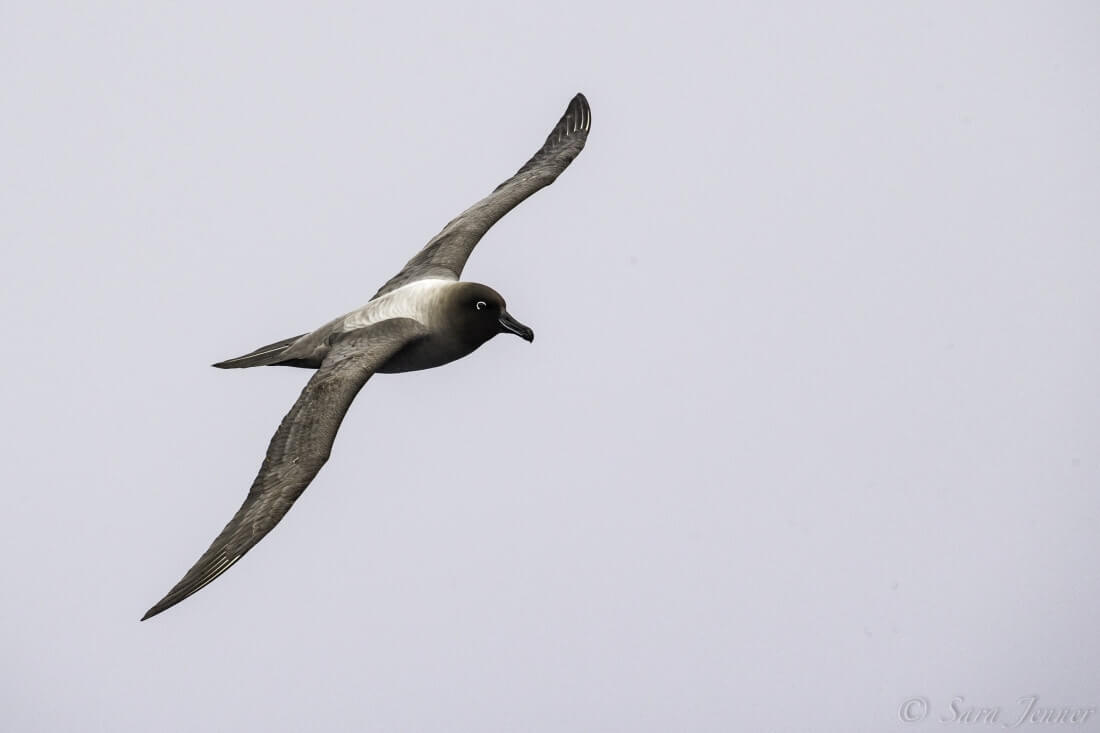
Also known as the "light-mantled sooty albatross," these seabirds can be spotted along the shores of the Antarctic Peninsula, though we also encounter them farther north. Like most albatrosses, they glide with astonishing efficiency, even rivaling black-browed albatrosses for how little energy they burn aloft. Yet for all their prowess in the air, light-mantled albatrosses are not particularly graceful on touchdown. They are often seen tumbling across the ground as they attempt to land after coming in too fast.
Sooty albatross
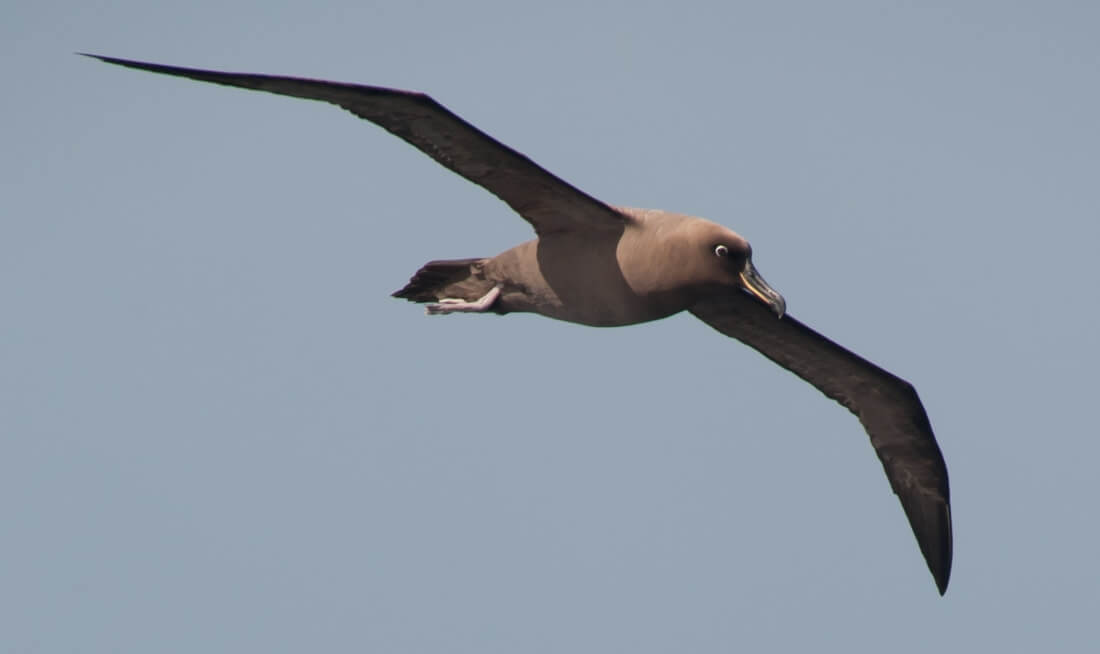
Also referred to as the "dark-mantled albatross," this is a species we tend to see less often than some of the others on this list. Sooty albatrosses occasionally appear in Antarctica, but far more frequently on our subantarctic expeditions. We may even cross paths with these dark-plumaged seabirds during Atlantic crossings, though sightings remain rare.
Wandering albatross or Great Albatross
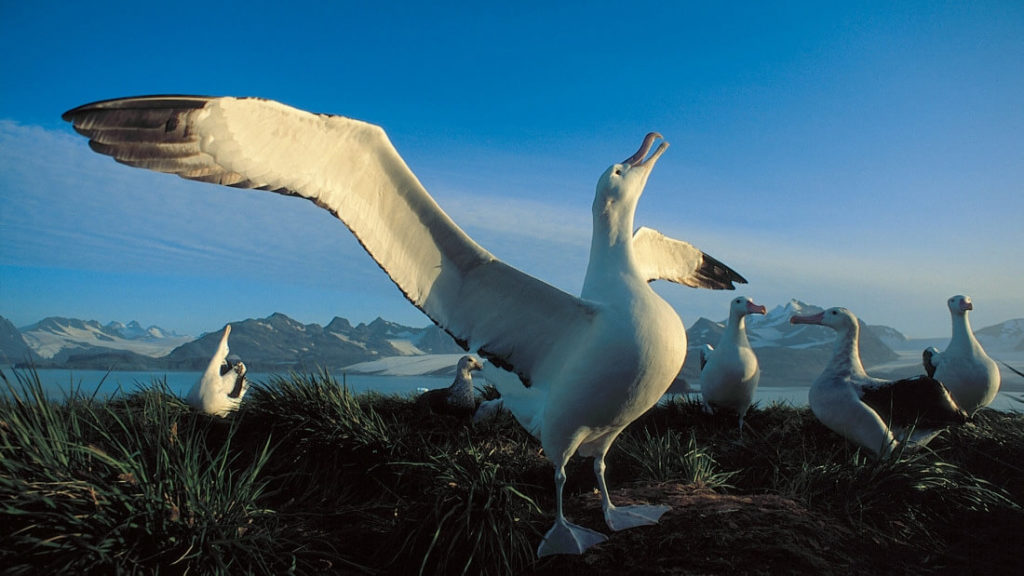
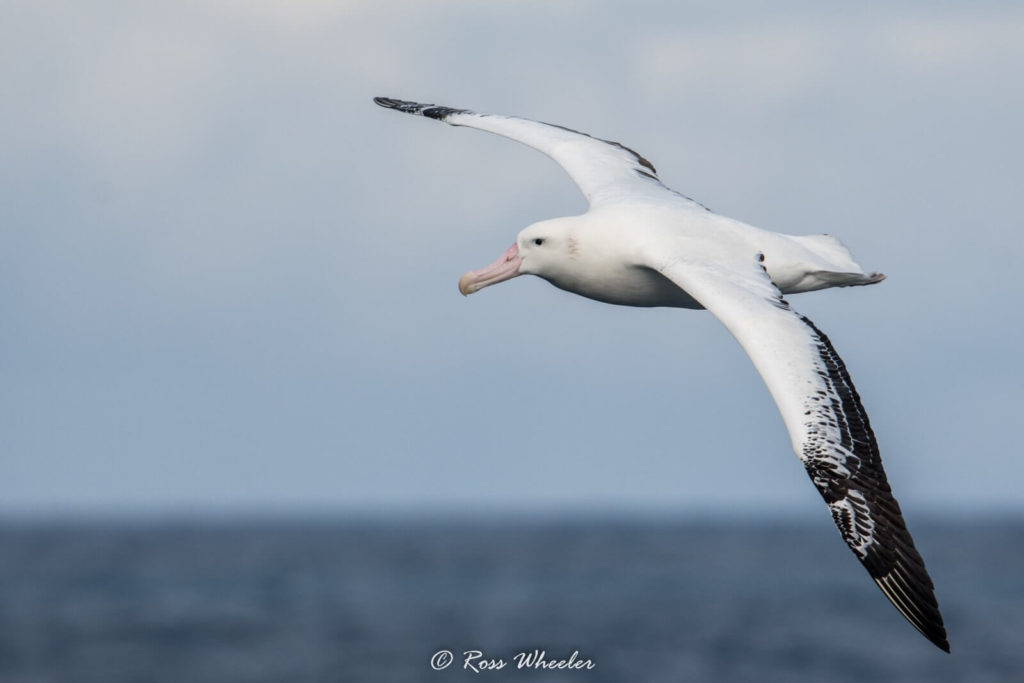
Of all the albatrosses featured here, the wandering albatross and the royal albatross (detailed below) are the ones we encounter most frequently. Wandering albatrosses are among the largest birds on Earth and the giants of their genus, Diomedea, sporting an average wingspan of 3.5 meters (11.5 feet). This allows them to glide for hours without a single flap of their wings, and much like other seabirds on this list, they are said to expend less energy airborne than when resting in the nest. We encounter wandering albatrosses across the Subantarctic and throughout most Antarctica cruises
Royal albatross
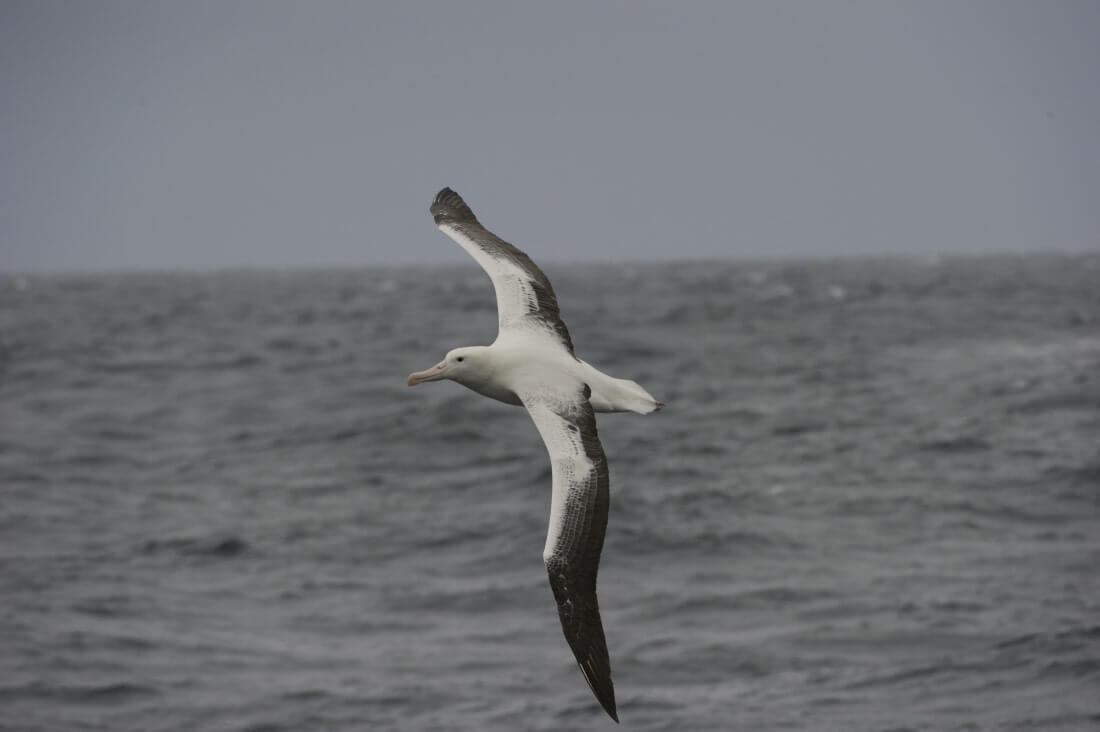
There is ongoing debate over whether the royal albatross should be divided into two distinct species (northern and southern) or simply classified as subspecies. Either way, you will be thrilled to know that royal albatrosses are among the most frequently observed birds on our southern expeditions. Boasting a wingspan of over three meters and weighing around 8 kg, these ocean wanderers are one of the two largest albatrosses in their genus. Their lifespan can span up to 42 years.
To learn more, explore our Antarctic Wildlife guide and discover our Antarctica Guide